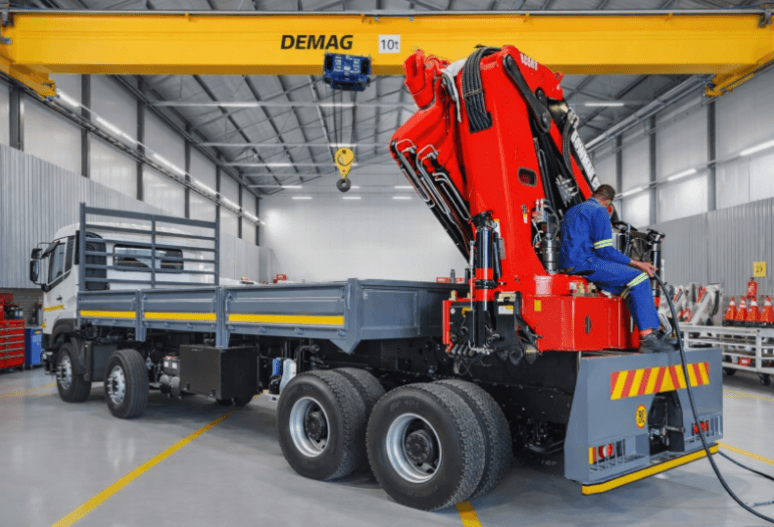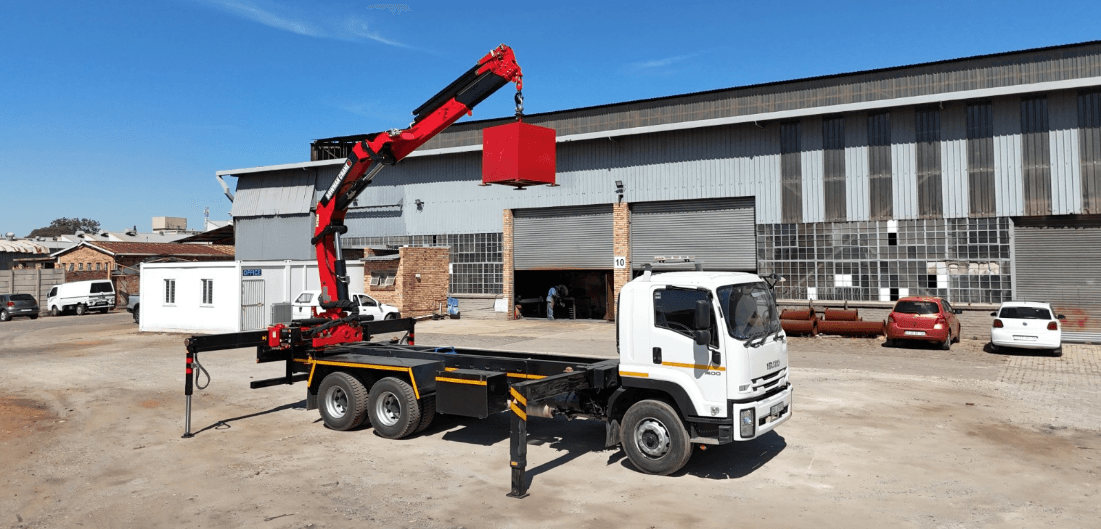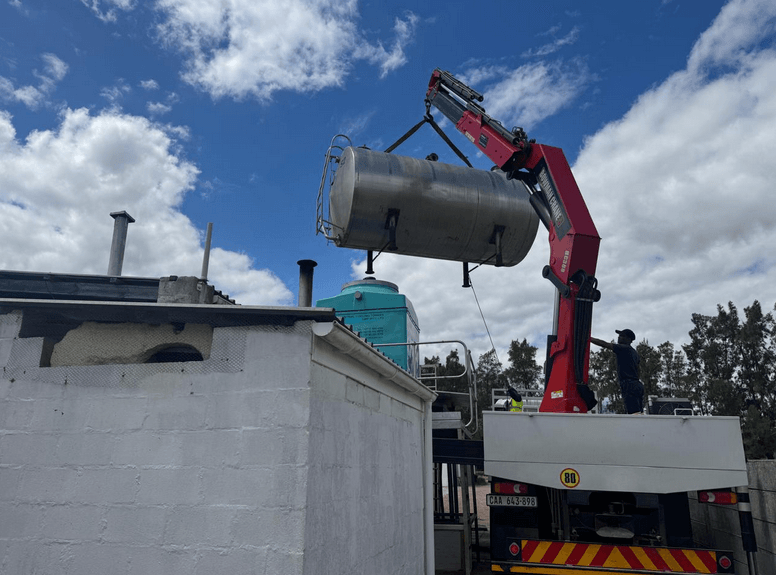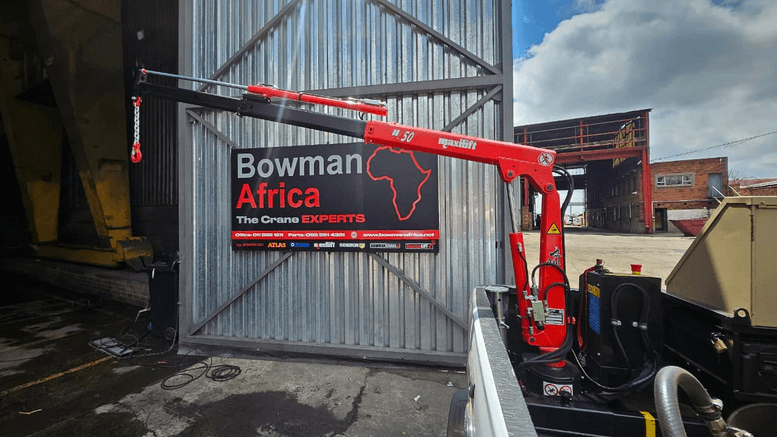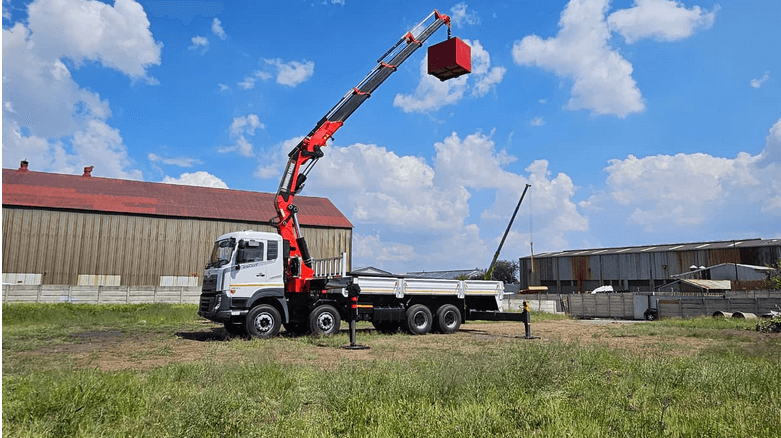
Reducing Manual Handling Risks with Truck-Mounted Cranes

Manual Handling Risks with Truck-Mounted Cranes

Safer Lifting Starts with the Right Equipment

Manual handling remains one of the most common causes of workplace injuries across South Africa’s construction, logistics, and service industries. Tasks such as lifting, carrying, and positioning heavy or awkward items may seem routine, but over time they place significant strain on workers and increase the risk of injury.

For businesses operating in demanding environments, these risks translate into more than just safety concerns. They can lead to downtime, reduced productivity, and increased operational costs.

Truck-mounted cranes offer a practical solution by reducing the need for manual handling in everyday operations. By introducing controlled lifting support, businesses can improve safety while maintaining efficiency.

Bowman Africa supports organisations by providing lifting solutions that help reduce manual handling risks and create safer working environments.

Understanding Manual Handling Risks in South African Industries

Manual handling risks are present in a wide range of industries. Workers are often required to lift, move, or position materials as part of their daily responsibilities.

Common scenarios include:

  • Moving construction materials across a site
  • Loading and unloading equipment
  • Handling tools and components during installation work
  • Transporting items in confined or uneven environments

These tasks often involve repetitive movement, awkward postures, or uneven loads, all of which increase the likelihood of injury over time.

In environments where work is fast-paced and physically demanding, these risks can easily be underestimated.

Common Causes of Manual Handling Injuries

Manual handling injuries rarely result from a single event. They are often caused by a combination of factors, including:

  • Repetitive lifting over extended periods
  • Incorrect lifting techniques
  • Carrying loads across uneven surfaces
  • Handling items without mechanical assistance
  • Working in confined or restricted spaces

These conditions place ongoing strain on the body and can lead to long-term musculoskeletal issues.

Reducing exposure to these risks requires more than training alone. It requires the right equipment to support safe handling practices.

How Truck-Mounted Cranes Reduce Manual Handling Exposure

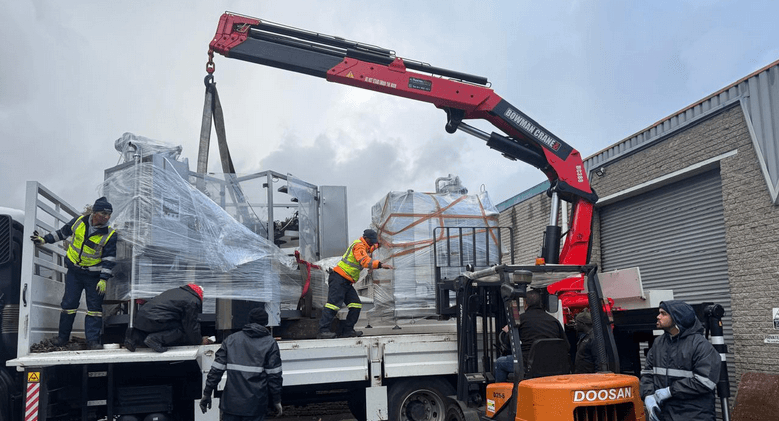
Truck-mounted cranes reduce manual handling by taking over lifting tasks that would otherwise be performed by workers.

Instead of lifting and carrying heavy items manually, operators can use crane systems to:

  • Lift materials directly from vehicles
  • Position items accurately on site
  • Move equipment without physical strain
  • Support installation tasks safely

This reduces the physical demand placed on workers and helps minimise the risk of injury.

By integrating lifting capability into vehicles, businesses can ensure that mechanical assistance is always available when needed.

Improving Workplace Safety Through Controlled Lifting

One of the key advantages of truck-mounted cranes is the level of control they provide during lifting operations.

Controlled lifting allows operators to:

  • Move loads smoothly and predictably
  • Position materials with greater accuracy
  • Reduce sudden movements that can cause injury
  • Maintain safer working distances

This level of control contributes to a safer working environment for both operators and surrounding personnel.

Long-Term Safety and Operational Benefits

Reducing manual handling risks has long-term benefits beyond immediate safety improvements.

These include:

  • Fewer workplace injuries
  • Reduced downtime
  • Improved workforce productivity
  • Better compliance with workplace safety practices

Over time, these benefits contribute to more stable and efficient operations.

Truck-mounted cranes support these outcomes by providing a consistent, reliable lifting solution that reduces reliance on manual labour.

Supporting Safer Work Practices Through Equipment Choice

While training and awareness are important, equipment plays a critical role in shaping workplace safety.

By choosing lifting solutions that reduce manual handling, businesses can:

  • Create safer working conditions
  • Support more efficient workflows
  • Reduce physical strain on employees

Bowman Africa works with clients to supply and install crane systems that support safer handling practices across a range of industries.

Conclusion

Manual handling risks remain a significant challenge across many industries. By introducing mechanical lifting support through truck-mounted cranes, businesses can reduce these risks and improve overall safety.

Truck-mounted cranes provide a practical way to minimise physical strain, support controlled lifting, and improve efficiency on site.

Bowman Africa offers expert guidance, professional installation, and ongoing support to help businesses implement safer lifting solutions.Visit https://bowmanafrica.net/ to learn more about improving workplace safety with truck-mounted cranes.
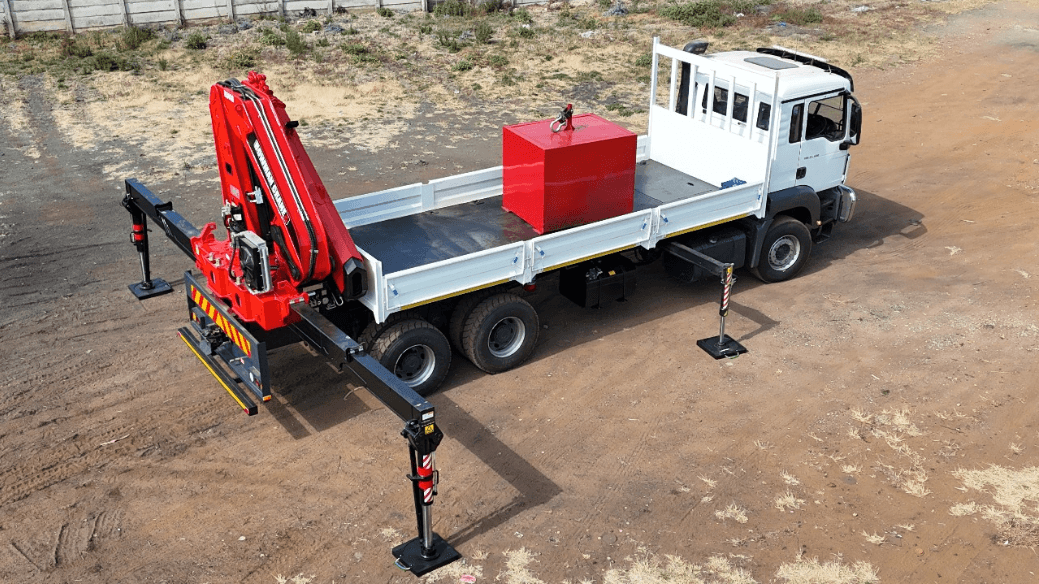
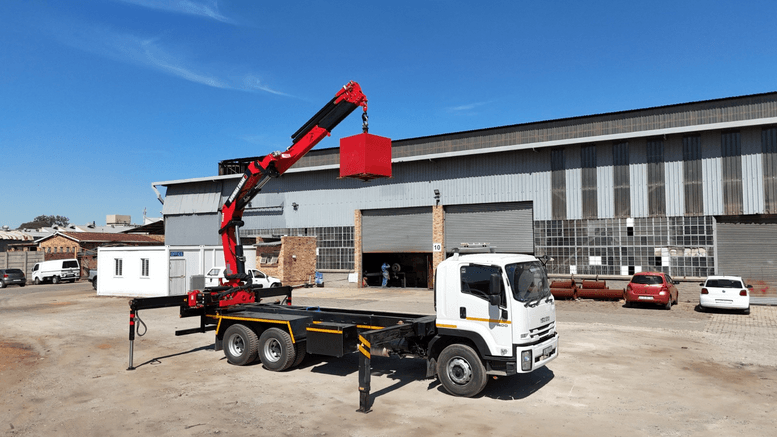
Choosing the Right Crane for Construction Support Vehicles

Choosing the Right Crane

Supporting Construction Without Over-Specifying Equipment

Construction sites are often associated with large-scale lifting operations, heavy machinery, and complex logistics. However, not every lifting requirement on site involves heavy-duty equipment. In reality, a significant portion of daily lifting tasks falls into a different category altogether, construction support.

Construction support lifting involves smaller, more frequent tasks that keep projects moving. These include transporting materials, positioning equipment, and assisting teams with routine handling tasks across different areas of a site. While these tasks may not require high-capacity lifting equipment, they still demand precision, efficiency, and reliability.

Choosing the right crane for construction support vehicles is therefore not about selecting the biggest or most powerful option. It is about selecting a solution that fits the workflow, site conditions, and operational demands of the project.

Bowman Africa supports contractors and site managers by helping them identify practical lifting solutions that align with real-world construction needs.

Understanding the Difference Between Heavy Lifting and Site Support

Before selecting a crane, it is important to distinguish between heavy lifting and construction support tasks.

Heavy lifting operations typically involve:

  • Large structural components
  • Specialised lifting plans
  • Dedicated lifting equipment
  • Controlled lifting environments

Construction support tasks, on the other hand, are:

  • More frequent
  • Less predictable
  • Often time-sensitive
  • Integrated into daily site activities

These tasks may include moving pallets, positioning materials, assisting installation teams, or handling equipment across short distances on site.

Because of this difference, construction support does not require oversized equipment. Instead, it requires flexible, mobile solutions that can respond quickly to changing site demands.

Where Mobile Cranes Add the Most Value on Site

Mobile, truck-mounted cranes are particularly well suited to construction support environments. Their ability to move between locations and perform lifting tasks without relying on fixed equipment makes them valuable across a wide range of applications.

On construction sites, these cranes are commonly used for:

  • Delivering and placing building materials
  • Supporting installation teams with equipment handling
  • Moving tools and components between work areas
  • Assisting with site logistics and daily operations

Because they are integrated into vehicles, truck-mounted cranes reduce the need for separate lifting machinery and allow teams to complete tasks more efficiently.

This flexibility helps maintain workflow continuity and reduces delays caused by waiting for dedicated lifting equipment.

Benefits of Truck-Mounted Crane Solutions in Construction

Truck-mounted cranes offer several practical advantages in construction support roles.

Mobility Across the Site

Construction environments are dynamic. Work areas shift, access points change, and tasks evolve throughout the project. A mobile crane allows operators to move easily between locations without repositioning larger equipment.

Reduced Dependence on Additional Machinery

Instead of relying on multiple machines for lifting and transport, a single vehicle equipped with a crane can perform both functions. This simplifies site logistics and reduces congestion.

Improved Workflow Efficiency

Having lifting capability readily available allows teams to complete tasks immediately rather than waiting for equipment to become available. This supports smoother, more continuous progress on site.

Versatility Across Tasks

Truck-mounted cranes can support a wide range of lifting activities, making them suitable for contractors who require flexibility rather than single-purpose equipment.

Bowman Africa works with clients to ensure these solutions are matched correctly to the vehicle and application, supporting safe and reliable performance.

Avoiding Over-Specified Crane Investments

One of the most common challenges in construction fleet planning is over-specifying equipment. In an effort to prepare for all possible scenarios, businesses may invest in cranes that exceed their actual daily requirements.

While this approach may seem practical, it often results in:

  • Increased capital costs
  • Additional vehicle weight
  • Reduced efficiency in smaller tasks
  • More complex operation than necessary

Over-specifying can also lead to underutilisation, where equipment is rarely used to its full potential.

A more effective approach is to select a crane based on the most common tasks performed, rather than the most extreme scenarios.

This ensures that equipment remains practical, efficient, and aligned with everyday operations.

Matching Crane Solutions to Real Site Conditions

Every construction site presents its own challenges. Urban projects may involve restricted access and limited space, while regional sites may require equipment to operate across uneven terrain.

When selecting a crane for construction support, it is important to consider:

  • Site access and movement constraints
  • Frequency and type of lifting tasks
  • Interaction with other equipment on site
  • Daily workflow patterns

By focusing on these practical factors, contractors can choose solutions that improve productivity without introducing unnecessary complexity.

Bowman Africa assists clients in evaluating these conditions and selecting crane solutions that align with real operational needs.

The Role of Professional Installation and Integration

The performance of a construction support crane is heavily influenced by how it is installed and integrated with the vehicle platform.

Proper installation ensures:

  • Balanced weight distribution
  • Stable lifting performance
  • Safe interaction between crane and vehicle
  • Long-term reliability under working conditions

Bowman Africa provides professional installation services to ensure that each crane is correctly matched to the vehicle and configured for its intended use.

This attention to detail helps prevent operational issues and supports consistent performance over time.

Conclusion

Construction support lifting is about efficiency, flexibility, and practical problem-solving on site. By choosing the right crane for these tasks, contractors can improve workflow, reduce delays, and maximise the value of their fleet.

Truck-mounted cranes provide a reliable and adaptable solution for construction support vehicles, allowing teams to handle daily lifting tasks without relying on oversized equipment.

Bowman Africa supports construction professionals with expert guidance, professional installation, and ongoing support to ensure each crane solution performs as intended.Visit https://bowmanafrica.net/ to learn more about practical crane solutions for construction support.

Truck-Mounted Cranes in Fleet Operations: Improving Efficiency Without Adding Vehicles

Truck-Mounted Cranes in Fleet Operations

Smarter Lifting Without Growing Your Fleet

Fleet operators across South Africa face a constant balancing act. Vehicles must move quickly between sites, transport materials efficiently, and support daily operations without unnecessary downtime. At the same time, businesses must control costs, reduce operational complexity, and maximise the productivity of every asset in their fleet.

In many operations, lifting tasks are still handled through separate vehicles or additional equipment. A truck may deliver materials, while another vehicle or machine is required to unload them. This multi-vehicle approach can slow workflows, increase fuel costs, and introduce unnecessary coordination challenges.

Truck-mounted cranes offer a smarter alternative. By integrating lifting capability directly into the transport vehicle, businesses can streamline operations and reduce the need for additional equipment on site. Bowman Africa works with fleet operators across multiple industries to supply and install integrated lifting solutions, helping businesses improve efficiency without expanding their vehicle count.

When matched correctly to operational needs, truck-mounted cranes can transform how fleets handle materials, equipment, and on-site logistics.

Why Fleet Efficiency Matters in South African Operations

South African fleet operators often work across large geographic areas and varied terrain. Vehicles may travel long distances between depots, construction sites, industrial facilities, and infrastructure projects. In this environment, efficiency is not just about speed, it is about reducing unnecessary movements and maximising the productivity of each vehicle.

Every additional vehicle introduced into a workflow adds several layers of cost and complexity. These include:

  • Fuel consumption
  • Driver requirements
  • Maintenance and servicing
  • Scheduling coordination
  • Site congestion

When lifting operations rely on separate machines or vehicles, these factors can quickly multiply. A delivery vehicle may arrive on site only to wait for lifting equipment to become available. Alternatively, a second vehicle may need to travel specifically to assist with loading or unloading tasks.

Truck-mounted cranes address this inefficiency by combining transport and lifting capability into a single mobile unit. Instead of relying on multiple pieces of equipment, a single vehicle can deliver materials and complete lifting tasks independently.

This integrated approach reduces delays and supports smoother daily operations.

Limitations of Vehicle-Heavy Lifting Strategies

Traditional lifting workflows often rely on multiple vehicles or site equipment working together. While this approach can function on large industrial projects, it introduces several limitations for fleets operating across varied environments.

One of the most common challenges is coordination. When different vehicles are responsible for transport and lifting, their schedules must align perfectly. Any delay can disrupt the entire workflow.

Other limitations include:

  • Increased traffic and congestion on job sites
  • Higher fuel usage across multiple vehicles
  • Greater operational complexity
  • More potential points of failure within the workflow

These challenges are particularly noticeable in logistics, municipal service work, and infrastructure maintenance, where teams must respond quickly and operate across different locations.

Truck-mounted cranes help eliminate these inefficiencies by placing lifting capability directly on the vehicle responsible for transporting the load.

How Truck-Mounted Cranes Reduce Double Handling

Double handling occurs when materials must be moved multiple times before reaching their final position. This can involve unloading items from a transport vehicle, moving them using separate equipment, and then repositioning them again at the work area.

Each additional handling step increases:

  • Labour requirements
  • Time spent on site
  • Risk of damage to materials or equipment
  • Operational delays

Truck-mounted cranes significantly reduce the need for double handling. Because the crane is mounted directly on the transport vehicle, materials can often be lifted directly from the truck and placed precisely where they are required.

This streamlined workflow offers several advantages:

  • Faster loading and unloading
  • Reduced reliance on additional lifting equipment
  • Improved control during placement
  • Less movement of materials around the site

For businesses handling frequent deliveries, equipment installations, or infrastructure components, reducing double handling can dramatically improve productivity.

Operational Benefits for Logistics and Service Fleets

Logistics companies and service fleets often operate in environments where flexibility and speed are essential. Vehicles may need to access tight urban areas, roadside work zones, or busy construction sites where large lifting equipment is not always available.

Truck-mounted cranes provide valuable versatility in these scenarios. Vehicles equipped with integrated cranes can:

  • Deliver and position materials independently
  • Perform lifting tasks without waiting for site equipment
  • Operate in locations where larger machines cannot easily access

For example, service vehicles supporting infrastructure maintenance may need to transport components, equipment, or replacement parts to multiple locations throughout the day. Having lifting capability on board allows technicians to complete tasks without relying on external lifting resources.

This independence supports faster response times and improved service efficiency.

Supporting Construction and Infrastructure Workflows

Construction and infrastructure projects often require frequent movement of materials, tools, and equipment between different areas of a site. In these environments, waiting for dedicated lifting machinery can slow progress and disrupt scheduling.

Truck-mounted cranes allow teams to perform smaller lifting tasks immediately, without waiting for larger site equipment. This capability helps keep projects moving and allows crews to maintain momentum throughout the workday.

Common applications include:

  • Delivering and positioning construction materials
  • Supporting infrastructure maintenance work
  • Handling equipment during installation or servicing
  • Assisting with site logistics and material placement

When integrated correctly into fleet operations, truck-mounted cranes support more flexible and responsive site workflows.

Fleet Optimisation Through Integrated Equipment

From a fleet management perspective, the goal is not simply to add more equipment but to maximise the effectiveness of the vehicles already in operation. Integrating lifting capability into transport vehicles supports this objective by increasing the functionality of each unit.

Instead of operating separate vehicles for transport and lifting, businesses can rely on a single multi-purpose vehicle capable of performing both roles. This reduces fleet size while maintaining operational capability.

Fleet optimisation benefits may include:

  • Reduced capital investment in additional vehicles
  • Lower operating costs
  • Simplified scheduling
  • Greater flexibility when assigning vehicles to tasks

Bowman Africa supports customers in evaluating how truck-mounted cranes can be integrated into existing fleets to achieve these efficiency improvements.

Why Installation and Integration Matter

Achieving these operational benefits depends on proper crane installation and integration with the vehicle platform. A crane must be matched carefully to the vehicle and intended application to ensure safe and reliable performance.

Professional installation ensures that factors such as:

  • vehicle compatibility
  • weight distribution
  • mounting structure
  • operational safety

are all considered during the installation process.

Bowman Africa works closely with customers to ensure that crane installations are completed correctly and aligned with real-world operating requirements.

Conclusion

Fleet efficiency is about doing more with the assets already available. Truck-mounted cranes allow transport vehicles to take on additional lifting responsibilities, reducing reliance on separate equipment and improving workflow efficiency.

By integrating lifting capability directly into fleet vehicles, businesses can reduce operational complexity, minimise double handling, and improve response times across a wide range of industries.

Bowman Africa supports fleet operators with expert guidance, professional crane installation, and ongoing support to ensure each lifting solution performs reliably in real-world conditions.

Visit https://bowmanafrica.net/ to learn more about truck-mounted crane solutions and how they can improve fleet efficiency.

The Importance of Professional Crane Installation on Truck and Trailer Platforms

Importance of Professional Crane Installation

Why Installation Quality Determines Crane Performance

Truck-mounted and trailer-mounted cranes are engineered to perform demanding lifting tasks across a wide range of industries. From construction and infrastructure maintenance to logistics and service fleets, these cranes play a critical role in handling materials safely and efficiently.

However, the crane itself is only part of the equation. The way it is installed onto the vehicle platform has a direct impact on stability, safety, reliability, and long-term performance. Even a high-quality crane can experience operational issues if installation is not handled correctly.

Professional crane installation ensures that lifting equipment works in harmony with the vehicle that supports it. When installation is planned and executed properly, businesses gain a stable, dependable lifting solution that integrates seamlessly into their fleet operations.

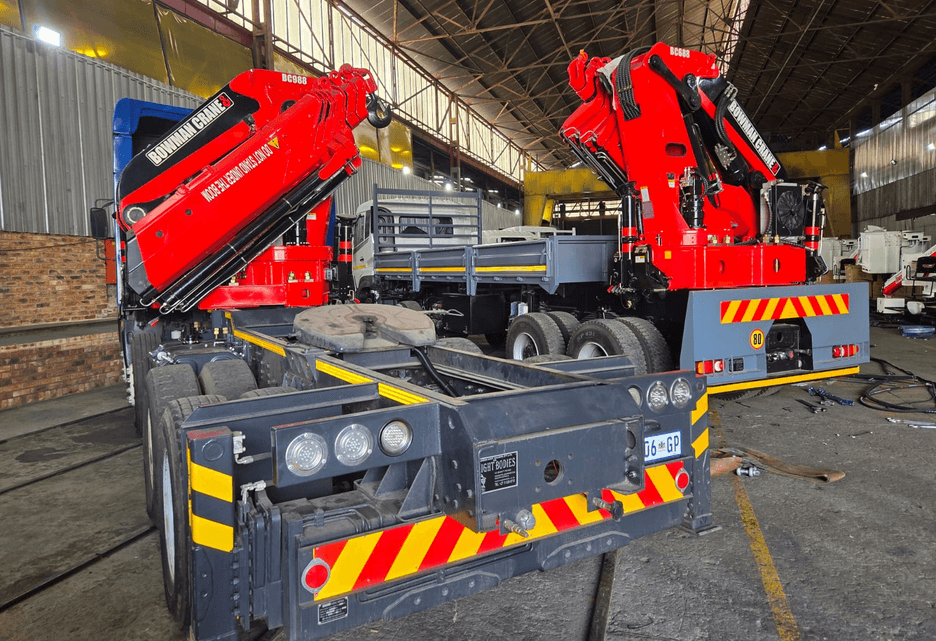
Bowman Africa specialises in the professional installation and integration of truck-mounted and trailer-mounted cranes, ensuring each system performs reliably in real-world working conditions.

The Role of Installation in Crane Performance

A crane installation involves far more than simply mounting equipment onto a vehicle. The process requires careful planning and technical understanding of how lifting forces interact with the truck or trailer platform.

Every lift performed by a crane generates force that travels through several structural components:

  • The crane boom and base
  • The mounting structure
  • The vehicle chassis
  • The stabilisers and ground contact points

If these elements are not properly integrated, lifting forces may be distributed unevenly. Over time, this can lead to reduced stability, structural stress, and increased maintenance requirements.

Professional installation ensures that lifting forces are distributed safely across the vehicle platform, protecting both the crane and the vehicle from unnecessary strain.

Vehicle Compatibility Considerations

Not every truck or trailer is suitable for every crane configuration. Vehicle compatibility plays a critical role in determining whether a crane installation will operate safely and efficiently.

Important compatibility factors include:

  • Chassis strength and structural rigidity
  • Axle placement and vehicle balance
  • Available platform space
  • Weight distribution across the vehicle

If a crane is installed on an unsuitable vehicle platform, operators may experience issues such as instability during lifting, uneven load distribution, or increased stress on vehicle components.

Professional installers evaluate these factors before installation begins, ensuring that the crane and vehicle are correctly matched.

Bowman Africa works with customers to assess vehicle suitability and recommend installation solutions that support safe, reliable operation.

Safety, Balance, and Load Distribution

One of the most critical aspects of crane installation is ensuring proper balance across the vehicle platform. During lifting operations, forces shift continuously as the crane moves and positions loads.

Proper installation supports safe lifting by ensuring:

  • Stable crane positioning on the vehicle
  • Even distribution of lifting forces
  • Correct alignment of structural components
  • Reliable stabiliser performance during operation

These factors help maintain vehicle stability and predictable crane behaviour while lifting.

Incorrect installation, by contrast, can introduce imbalance and unnecessary stress. Over time, this may lead to reduced equipment lifespan or increased maintenance requirements.

Ensuring balanced load distribution from the start protects both safety and long-term performance.

Mounting Structures and Subframe Design

Between the crane and the vehicle chassis sits a critical structural component known as the mounting subframe. This structure plays a key role in distributing lifting forces evenly across the vehicle platform.

A well-designed mounting system:

  • Spreads lifting loads across a wider structural area
  • Reduces concentrated stress points on the chassis
  • Improves overall vehicle stability during lifting
  • Supports consistent crane operation over time

Subframe design must take into account both the crane configuration and the vehicle platform, which is why professional installation is essential. When installed correctly, it allows the crane and vehicle to function as a single integrated system.

Professional installation ensures that the mounting structure is engineered and fitted appropriately to support safe lifting operations.

What Happens When Cranes Are Installed Incorrectly

Improper crane installation can introduce a range of operational problems. In some cases, these issues may appear gradually, making them difficult to detect until damage has already occurred.

Common consequences of poor installation include:

  • Uneven stress on the vehicle chassis
  • Reduced lifting stability
  • Increased vibration during operation
  • Premature wear on structural components
  • Higher maintenance requirements

These problems not only affect equipment performance but may also increase safety risks for operators and surrounding workers.

By contrast, a professionally installed crane provides predictable performance and dependable operation over time.

Protecting Long-Term Reliability

Crane installations are long-term investments. Businesses rely on these systems to support daily operations for many years. Ensuring the installation is performed correctly from the start helps protect that investment.

Proper installation contributes to:

  • Stable lifting performance
  • Reduced structural wear
  • Lower maintenance costs
  • Improved operational reliability

When cranes are integrated properly into vehicle platforms, they become dependable tools that support efficient workflows across multiple industries.

Bowman Africa’s installation expertise helps ensure that each crane system is positioned for long-term success.

Supporting Compliance and Operational Safety

Crane installations must also align with safety standards and responsible lifting practices. Proper installation supports safer working environments by ensuring equipment operates as intended.

Professional installation teams consider a range of safety-related factors, including:

  • vehicle balance during lifting
  • stabiliser performance
  • structural integrity of mounting points
  • safe integration with vehicle systems

These considerations help create lifting solutions that support both operational efficiency and workplace safety.

Why Professional Expertise Matters

Installing a crane onto a vehicle platform requires specialised knowledge of mechanical systems, structural design, and operational safety. Attempting to shortcut this process can create long-term problems that are difficult and expensive to correct.

Professional installers understand how to integrate cranes into vehicles in a way that protects both equipment and operators.

Bowman Africa provides expert crane installation services designed to ensure that each lifting system is installed correctly, aligned with the vehicle platform, and ready to perform reliably in demanding environments.

Conclusion

A truck-mounted or trailer-mounted crane is only as reliable as the installation that supports it. Correct installation ensures stable lifting, balanced load distribution, and dependable long-term performance.

By investing in professional installation, businesses protect their equipment, support safer operations, and ensure their crane systems perform effectively throughout their working life.

Bowman Africa provides expert crane installation and support services to help businesses integrate lifting solutions safely into their fleets.Visit https://bowmanafrica.net/ to learn more about professional crane installation and how the Bowman Africa team can support your operation.

Understanding Crane Load Distribution on Vehicle Platforms

Understanding Crane Load Distribution

Why Load Distribution Matters More Than Most Operators Realise

When discussing truck-mounted cranes, attention often focuses on lifting capacity, reach, or brand reputation. Yet one of the most important factors affecting crane performance and safety is rarely visible at first glance: load distribution.

Load distribution refers to how weight is transferred through the crane, into the mounting structure, and ultimately into the vehicle chassis and ground. When managed correctly, it supports stable lifting, consistent hydraulic performance, and long-term structural integrity. When ignored, it can lead to premature wear, instability, and unnecessary downtime.

Bowman Africa places strong emphasis on correct crane installation and vehicle matching because load distribution begins long before the first lift takes place.

How Weight Moves Through a Truck-Mounted Crane

A truck-mounted crane does not simply lift vertically. Every lift creates dynamic forces that move through several components:

  • The crane boom structure
  • The slewing mechanism
  • The base and mounting frame
  • The truck chassis
  • The stabilisers and outriggers
  • The ground surface beneath the vehicle

Each of these components plays a role in managing and absorbing load forces. Poor distribution at any point in this chain increases stress on surrounding parts.

Understanding this flow of force highlights why professional installation and proper mounting are essential.

Vehicle Chassis Strength and Structural Support

The vehicle chassis acts as the primary support structure for the crane. If the chassis is not suitable for the crane configuration, uneven stress can develop over time.

Correct crane-to-vehicle pairing considers:

  • Frame strength and rigidity
  • Axle positioning
  • Platform layout
  • Overall balance when loaded and unloaded

When load distribution is balanced properly, the vehicle maintains stability and predictable handling. When it is not, operators may experience uneven weight transfer, excessive chassis flex, or long-term structural strain.

Bowman Africa’s installation approach accounts for these factors to ensure cranes are integrated safely into the vehicle platform.

The Role of Mounting Frames and Substructures

Between the crane and the vehicle sits a critical component: the mounting subframe. This structure distributes forces evenly across the chassis, preventing concentrated stress points.

A properly designed mounting system:

  • Spreads lifting forces across a wider area
  • Reduces long-term fatigue on chassis components
  • Supports safe slewing and articulation
  • Improves overall vehicle balance

Without correct load distribution through the mounting frame, even a well-built crane can experience unnecessary wear.

Outriggers and Ground Contact: The Final Layer of Stability

While much attention is given to the crane and vehicle, stability ultimately depends on ground contact. Outriggers play a central role in transferring load from the crane and vehicle into the ground.

Effective load distribution at ground level depends on:

  • Proper outrigger deployment
  • Even contact across support points
  • Suitable ground conditions
  • Avoiding unsupported lifting angles

Incorrect setup can result in uneven weight transfer, placing additional strain on both crane and vehicle structures.

Dynamic Forces During Real-World Lifting

In practical site conditions, lifting rarely happens in a perfectly controlled environment. Movement, wind, surface irregularities, and operator inputs all introduce dynamic forces.

These dynamic forces can:

  • Increase pressure on one side of the vehicle
  • Create uneven load shifts
  • Accelerate wear if repeated over time

Understanding how dynamic conditions affect load distribution helps operators adopt safer lifting habits and reduces avoidable stress.

Long-Term Impact on Performance and Reliability

Poor load distribution does not always result in immediate failure. More often, it causes gradual issues such as:

  • Uneven wear on structural components
  • Increased strain on hydraulic systems
  • Loosening of mounting points
  • Reduced stability over time

By contrast, correctly balanced installations support smoother operation, longer service life, and more predictable maintenance requirements.

Why Professional Installation Makes the Difference

Load distribution is not something that can be adjusted casually after installation. It must be engineered into the crane-vehicle combination from the start.

Professional installation ensures:

  • Proper crane positioning on the chassis
  • Balanced weight distribution
  • Correct subframe integration
  • Alignment with safe operating practices

Bowman Africa’s experience in crane supply and installation supports customers in achieving long-term reliability through correct structural integration.

Conclusion

Load distribution may not be the most visible aspect of truck-mounted crane performance, but it is one of the most important. From the crane boom to the vehicle chassis and down to the ground, balanced weight transfer protects safety, stability, and long-term reliability.

By focusing on correct installation, proper mounting, and stable setup practices, crane owners can significantly reduce structural stress and extend equipment lifespan.Bowman Africa provides expert guidance and professional crane installation to ensure stable, reliable lifting performance.
Visit https://bowmanafrica.net/ to discuss your crane and vehicle requirements with the team.

How to Extend the Lifespan of Your Truck-Mounted Crane

Lifespan of Your Truck-Mounted Crane

More Uptime. Less Wear. Longer Returns.

A truck-mounted crane is more than a piece of equipment. For fleet operators, contractors, and service providers, it’s a working asset that directly affects productivity, safety, and profitability. While modern cranes are engineered for demanding conditions, their true lifespan is determined by how they are operated, maintained, and supported over time.

Crane failures are rarely sudden or unpredictable. In most cases, breakdowns are the result of gradual wear, overlooked warning signs, or avoidable operating habits. Understanding how these factors interact is the first step in extending crane lifespan and reducing costly downtime.

Bowman Africa works closely with crane owners to support long-term performance, helping fleets protect their investment through correct operation, routine maintenance, and professional after-sales support.

Preventive vs Reactive Crane Maintenance

One of the clearest distinctions between cranes that last and cranes that don’t is the maintenance approach applied to them.

Preventive maintenance focuses on consistency. It involves regular inspections, early fault detection, and addressing minor issues before they escalate. Reactive maintenance, on the other hand, responds only once a problem becomes disruptive, often resulting in extended downtime and higher repair costs.

Preventive maintenance supports:

  • Safer lifting operations
  • More predictable work schedules
  • Reduced stress on hydraulic and structural components
  • Better long-term cost control

Reactive maintenance typically leads to:

  • Emergency repairs
  • Increased component wear
  • Unplanned downtime
  • Higher operational risk

Fleet operators who prioritise prevention place their cranes in a far better position to deliver reliable performance year after year.

Daily and Weekly Habits That Make a Difference

Extending crane lifespan doesn’t start in the workshop. It starts on the job site. Operator awareness and routine checks play a critical role in identifying early warning signs before damage occurs.

Effective daily and weekly habits include:

  • Visual inspection of hoses, fittings, pins, and mounting points
  • Checking for hydraulic leaks, unusual movement, or inconsistent control response
  • Ensuring stabilisers are deployed correctly and evenly
  • Keeping moving components clean and free from dust or debris

These checks take minutes but can prevent hours of downtime later.

Operator Behaviour and Its Impact on Crane Longevity

How a crane is operated day-to-day has a direct effect on wear patterns and system stress. Even well-maintained equipment can deteriorate quickly if it is consistently misused.

Common operator-related issues include:

  • Sudden or aggressive movements under load
  • Incorrect load positioning
  • Operating without proper stabilisation
  • Repeated minor overload situations

Proper operator training and awareness significantly reduce unnecessary strain on hydraulic systems and structural components.

Service Routines and Professional Inspections

While daily checks are essential, they do not replace professional servicing. Periodic inspections by trained technicians ensure that internal systems continue to perform as designed.

Bowman Africa advises crane owners to:

  • Follow manufacturer-approved service guidance
  • Schedule regular professional inspections
  • Maintain accurate service and inspection records

These practices support compliance, improve safety, and preserve long-term asset value.

Environmental Factors That Accelerate Wear

Operating environment plays a major role in crane lifespan. Dust, moisture, temperature variation, and prolonged exposure to harsh conditions can all accelerate wear if not managed correctly.

Protective measures include:

  • Cleaning hydraulic components regularly
  • Monitoring corrosion-prone areas
  • Storing equipment appropriately when not in use
  • Adjusting maintenance routines for harsh operating conditions

Understanding environmental impact helps operators take proactive steps to reduce long-term damage.

Avoidable Mistakes That Shorten Crane Lifespan

Many costly crane issues stem from avoidable decisions rather than mechanical defects. These include:

  • Ignoring early warning signs
  • Delaying minor repairs
  • Inconsistent inspection routines
  • Treating cranes as disposable assets rather than long-term investments

Addressing these habits early can add years to a crane’s working life.

Conclusion

Extending the lifespan of a truck-mounted crane is not about one single action. It’s the result of consistent care, informed operation, and professional support over time. When these elements work together, cranes deliver safer performance, reduced downtime, and stronger long-term returns.

Bowman Africa supports crane owners with technical expertise, servicing guidance, and ongoing after-sales support.
Visit https://bowmanafrica.net/ to speak to the team about protecting your crane investment.

Exploring the Benefits of Maxilift Cranes for Utility and Telecom Fleets

Benefits of Maxilift Cranes

Built for Light-Duty Lifting and Mobile Response

Utility and telecom fleets operate in environments where speed, access, and flexibility matter as much as lifting capability. Vehicles must remain compact and manoeuvrable while still supporting safe handling of equipment, tools, and components.

Maxilift cranes provide a practical solution for these conditions. Supplied and supported by Bowman Africa, they are commonly used where controlled lifting is required without the footprint or complexity of larger crane systems.

The Reality of Utility and Telecom Work

Utility and telecom work rarely happens on open, controlled sites. Teams are often working:

  • Along busy roads
  • In urban areas with limited access
  • On uneven terrain
  • Under time pressure

In these environments, large lifting equipment can slow operations rather than improve them. Compact crane systems offer a better balance between capability and mobility.

Why Compact Crane Systems Make Operational Sense

Light-duty cranes allow service fleets to:

  • Access restricted locations more easily
  • Reduce setup time on-site
  • Improve vehicle manoeuvrability
  • Support faster job turnaround

Maxilift cranes are well suited to these applications, providing reliable lifting assistance without unnecessary complexity.

Vehicle Compatibility and Fleet Integration

One of the key advantages of Maxilift cranes is their compatibility with light commercial vehicles. This allows fleet managers to add lifting capability without sacrificing payload balance or vehicle handling.

Bowman Africa ensures:

  • Correct crane-to-vehicle matching
  • Professional installation
  • Safe integration with existing fleet setups

This approach ensures consistent performance across service vehicles.

Improving Technician Workflow and Safety

For field technicians, reducing manual handling is critical. Maxilift cranes support daily operations by:

  • Reducing physical strain
  • Supporting controlled lifting of components
  • Improving safety during roadside or elevated work
  • Streamlining repetitive service tasks

These benefits contribute directly to improved productivity and reduced fatigue.

Avoiding Over-Spec’d Solutions

One of the most common mistakes service fleets make is selecting lifting equipment that exceeds their actual needs. Larger systems often introduce unnecessary weight, cost, and complexity.

Maxilift cranes offer a balanced alternative, providing sufficient lifting capability for service tasks without over-engineering the solution.

Bowman Africa’s Role in Specifying the Right Solution

Bowman Africa takes an advisory approach to crane selection. Rather than promoting a single solution, the team evaluates:

  • Nature of lifting tasks
  • Vehicle type and payload requirements
  • Operating environment
  • Frequency of use

This ensures Maxilift cranes are applied where they make operational sense.

Conclusion

For utility and telecom fleets, compact lifting solutions can significantly improve efficiency, safety, and response time. Maxilift cranes offer a practical balance of mobility and lifting support for service-focused environments.

Bowman Africa supplies and supports Maxilift cranes for fleets operating across South Africa.
Visit https://bowmanafrica.net/ to discuss whether Maxilift is the right solution for your vehicles.

The Role of Crane Accessories in Boosting On-Site Efficiency

Role of Crane Accessories

It’s Not Just the Crane, It’s the System Around It

A crane’s effectiveness on-site is shaped by more than just its lifting ability. The accessories fitted to it often determine how safely, efficiently, and accurately work gets done. From stabilisers and hydraulic grabs to radio remotes and quick couplers, the right accessories allow a crane to adapt to different tasks without changing the base machine.

At Bowman Africa, accessories are viewed as part of a complete lifting system. Each component is selected to work in balance with the crane, the vehicle, and the operating environment. This system-based approach helps operators achieve consistent results across a wide range of job sites.

For operators working in South Africa’s varied conditions, crane accessories are practical tools that improve productivity while reducing physical strain and unnecessary downtime.

Expanding Capability Without Changing the Crane

Modern lifting operations are rarely limited to one task type. A single crane may be required to handle building materials, equipment, or packaged goods across different sites. Accessories make this flexibility possible.

Bowman Africa supports the integration of compatible hydraulic crane add-ons that improve grip, stability, and control.These accessories allow operators to adapt their cranes to the task at hand while staying within approved operating limits.

Common accessory options include:

  • Hydraulic grabs and clamps for controlled material handling
  • Winches and rotators for precise load positioning
  • Stabilisers and support pads for improved safety
  • Remote control systems for better visibility and control
  • Quick couplers for faster attachment changes

Using the right accessories allows more work to be completed with the same crane, improving overall fleet efficiency.

What Qualifies as a Crane Accessory?

Crane accessories are interchangeable components that enhance a crane’s function without altering its core structure. They can be added, removed, or changed depending on the application.

Accessory categories typically include:

  • Lifting tools such as hooks, grabs, and forks
  • Hydraulic handling attachments for positioning and rotation
  • Safety accessories like stabiliser pads and load monitoring aids
  • Operational tools including radio remotes and work lighting

Bowman Africa ensures all accessories are matched correctly to the crane’s hydraulic performance, mounting points, and intended use.

Accessories That Consistently Improve On-Site Performance

Certain accessories deliver clear benefits across most lifting environments.

  • Stabilisers: improve balance on uneven ground and help maintain safe lifting conditions.
  • Hydraulic grabs: reduce manual handling and speed up loading cycles.
  • Winches and rotators: improve placement accuracy in confined spaces.
  • Radio remotes: improve visibility and reduce communication delays.
  • Quick couplers: minimise downtime between tasks.

Together, these tools contribute to safer, more efficient on-site operations.

Hydraulic Add-Ons and Precision Control

Hydraulic accessories introduce an added level of precision to lifting operations. By allowing controlled movement, rotation, and release of loads, they reduce unnecessary crane repositioning and improve workflow.

Bowman Africa supports hydraulic add-ons that align with the crane’s hydraulic flow and pressure requirements, ensuring smooth operation without placing strain on the system.

Choosing the Right Accessories with Expert Support

Accessory selection requires technical understanding. Bowman Africa’s team considers:

  • Load type and handling requirements
  • Operating terrain and conditions
  • Vehicle configuration
  • Frequency of use and service access

This ensures each accessory improves performance without compromising safety or reliability.

Conclusion

Crane accessories play a key role in how effectively lifting equipment performs on-site. With the right add-ons, operators can improve safety, reduce manual handling, and complete tasks more efficiently.

Bowman Africa supports compatible crane accessories selected for real operational needs.
Visit https://bowmanafrica.net/ for expert guidance.

Why Choose an Atlas Crane for Your Fleet?

Why Choose an Atlas Crane

Precision Lifting, Proven Globally

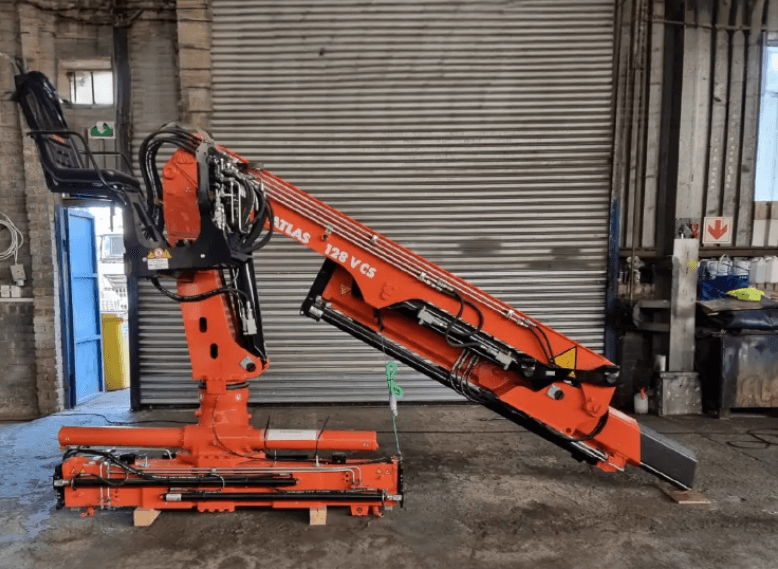
When performance, safety, and reliability matter most, few names carry as much weight as Atlas. A trusted European brand with more than a century of engineering excellence, Atlas has earned a global reputation for building hydraulic lifting cranes that deliver consistent precision in every application.

Through Bowman Africa, Atlas cranes are available to South African operators seeking high-quality, dependable lifting systems that integrate seamlessly into professional fleets. Whether mounted on trucks, trailers, or utility vehicles, Atlas cranes bring together power, technology, and operator confidence, essential elements for any business serious about productivity.

The Value of Atlas Cranes in the South African Market

South Africa’s lifting industry presents unique challenges: long distances, varying climates, and job sites that range from city streets to rural terrain. Fleet managers need equipment that performs as reliably in heat and dust as it does in cold or rain.

That’s where Atlas stands out. The brand’s hydraulic vehicle-mounted cranes are designed for rugged fieldwork and built with robust European components that withstand high workloads. Combined with Bowman Africa’s local installation expertise, these cranes are tailored for the demands of South African operators, durable enough for the environment, refined enough for precision.

Atlas cranes have become a benchmark for professional fleets across construction, utilities, logistics, and materials handling. Bowman Africa ensures every installation meets stringent local compliance and safety standards.

Atlas Brand History and Global Reach

Over the decades, Atlas has evolved from mechanical loaders to a full suite of hydraulic lifting cranes trusted worldwide.

Today, Atlas operates across Europe, Africa, and the Middle East, supplying reliable lifting equipment for industrial, construction, and transport sectors. Its commitment to innovation remains evident in every model, from compact folding cranes to heavy-duty truck-mounted systems.

By partnering with Bowman Africa, Atlas ensures its products are supported, serviced, and installed locally by experts who understand the realities of South African job sites. This global-local connection is one of the key reasons Bowman continues to stand behind the Atlas name.

Key Technical Features and Lifting Specs

Atlas cranes combine advanced hydraulics with user-friendly design. The result is precision control with maximum load stability, even in complex lifts.

Core features include:

  • Hydraulic precision: Smooth, proportional control ensures accuracy during delicate operations.
  • Optimised weight-to-lift ratio: Strong lifting performance without adding excessive vehicle mass.
  • 360° slewing capability: Provides a full working range for complex positioning tasks.
  • High-tensile steel construction: Strength and corrosion resistance in one.
  • Optional remote control systems: Improve operator visibility and safety.

Every unit is integrated and tested to Bowman’s standards, ensuring consistent hydraulic performance, stability, and safety. Bowman’s engineers provide full support from installation to calibration and aftersales servicing, ensuring maximum uptime across your fleet.

Maintenance and Service Life

One of the hallmarks of Atlas engineering is longevity. Each crane is built for decades of reliable operation with proper care. Bowman Africa reinforces this advantage with structured maintenance programs designed around South African usage conditions.

Routine service checks focus on hydraulic line integrity, lubrication, and calibration to maintain optimal lifting precision. Atlas cranes are known for their low downtime rates, thanks to the modularity of components and ready availability of spares through Bowman’s local network.

For fleet managers, this means reduced lifecycle cost, a critical consideration in competitive logistics and construction markets. When well-maintained, Atlas cranes retain performance and resale value far longer than less robust imports.

Why Bowman Africa Backs Atlas

The Bowman team has years of experience integrating international crane brands into the African market. The company’s endorsement of Atlas isn’t just based on reputation; it’s grounded in field results.

Bowman’s clients rely on cranes that deliver consistent lifting precision, straightforward operation, and dependable support. Atlas cranes tick all those boxes. With proper installation and calibration by Bowman’s specialists, they perform predictably under load and require minimal intervention between services.

This combination of European reliability and local expertise ensures every Atlas system performs at its full potential across a variety of sectors.

Conclusion and Call-to-Action (CTA)

Atlas cranes represent the balance between global innovation and local practicality. For South African fleet operators who demand quality and reliability, the Atlas range, supplied and supported by Bowman Africa, provides a clear advantage.

Upgrade your fleet with proven lifting solutions built to perform anywhere.
Visit https://bowmanafrica.net/ to discover the full Atlas range and discuss your operational needs.

How Bowman Cranes Support Real-World Lifting Across South Africa

Lifting Across South Africa

Built for Demanding Work Environments

Every lifting job brings its own set of challenges, and Bowman Africa’s in-house crane range is chosen specifically to handle them. Bowman Cranes form part of a complete offering of truck-mounted crane systems supplied, installed, and supported by Bowman Africa for operators who need equipment that performs consistently on the road and on-site.

Rather than relying on imported specifications that don’t always match local requirements, Bowman focuses on cranes selected for their practicality, strength, and predictable hydraulic control. These cranes are well suited to the demanding conditions seen in South Africa’s industries, helping teams move materials safely and efficiently across a variety of environments.

A Crane Range Purposefully Specified for Local Conditions

South Africa’s working landscape varies widely; highways, urban developments, gravel roads, rural regions, and industrial work sites. Bowman Africa understands these conditions well. That’s why the Bowman Crane range is curated rather than generic, focusing on models that offer dependable lifting power without unnecessary complexity.

Each unit is installed and calibrated by Bowman’s technical team to ensure safe, stable performance. This alignment between crane selection and correct vehicle integration is a major reason Bowman Cranes are trusted by fleet operators and contractors across the country.

Key Functional Features of Bowman Cranes

While individual specifications vary depending on the chosen model, Bowman’s crane range consistently offers the core qualities most important to field operators:

  • Strong hydraulic lifting performance for typical fleet and worksite applications
  • Stable structural frames designed for secure lifting when properly supported
  • Operator-friendly controls that make daily use straightforward
  • Reliable hydraulic components that maintain consistency with proper servicing
  • Practical maintenance access to simplify inspections and reduce downtime

These features ensure Bowman Cranes meet the real demands of day-to-day lifting tasks without adding unnecessary technical complications.

Industries and Teams That Rely on Bowman Cranes

Bowman Cranes are widely used across South Africa’s industries because they integrate effectively with different types of service, commercial, and construction vehicles. Common applications include:

  • Construction and infrastructure: moving beams, barriers, and equipment
  • Utilities and municipal services: handling poles, pumps, and maintenance gear
  • Transport and logistics: loading, unloading, and moving operational materials
  • Agricultural operations: supporting daily tasks on farms and rural properties
  • Service and recovery vehicles: assisting mechanics and emergency teams on the road

These cranes help reduce manual effort, improve operational safety, and support timely project completion across diverse working conditions.

Durability Through Practical Design

Bowman Africa prioritises reliability and ease of maintenance across its crane range. The focus is on selecting cranes built with robust structural components, straightforward hydraulic routing, and dependable controls. This reduces the risk of unnecessary wear and makes routine servicing easier for technicians.

Practical design decisions ensure:

  • Lower lifetime maintenance demands
  • Consistent performance under frequent use
  • Streamlined operator training
  • Improved uptime for vehicle fleets

This combination of simplicity and strength is one of the core reasons Bowman Cranes remain a dependable choice for South African operators.

Support You Can Rely On

A crane is only as effective as the support behind it. Bowman Africa ensures every crane installation is backed by:

  • Correct pairing between crane and vehicle chassis
  • Professional installation and hydraulic setup
  • Comprehensive operational checks before handover
  • Availability of service and parts support
  • Technical guidance to keep operators working safely

Fleet managers benefit from knowing their cranes are installed correctly, maintained properly, and supported by a team that understands the full operational lifecycle of the equipment.

Conclusion

Bowman Cranes offer practical, reliable lifting power that suits the challenges of South African worksites. With strong hydraulic capability, straightforward operation, and the full support of Bowman Africa’s technical team, these cranes deliver dependable performance across construction, utilities, agriculture, logistics, and more.Explore the Bowman Crane range at https://bowmanafrica.net/ and speak to the team about the right lifting solution for your fleet.