Truck-Mounted Cranes: Why They’re a Game-Changer for Heavy Lifting

Truck-Mounted Cranes

When it comes to heavy lifting in construction, logistics, and industrial operations, having the right equipment is crucial. Truck-mounted cranes have emerged as a game-changer, offering unmatched versatility, mobility, and efficiency for lifting and transporting heavy loads. These powerful machines combine the strength of traditional cranes with the convenience of being mounted on a truck, providing operators with the ability to easily transport their crane to different job sites without the need for a separate crane transport vehicle.

In this article, we’ll explore why truck-mounted cranes are becoming increasingly popular and why they should be a go-to choice for many heavy lifting tasks.

What Are Truck-Mounted Cranes?

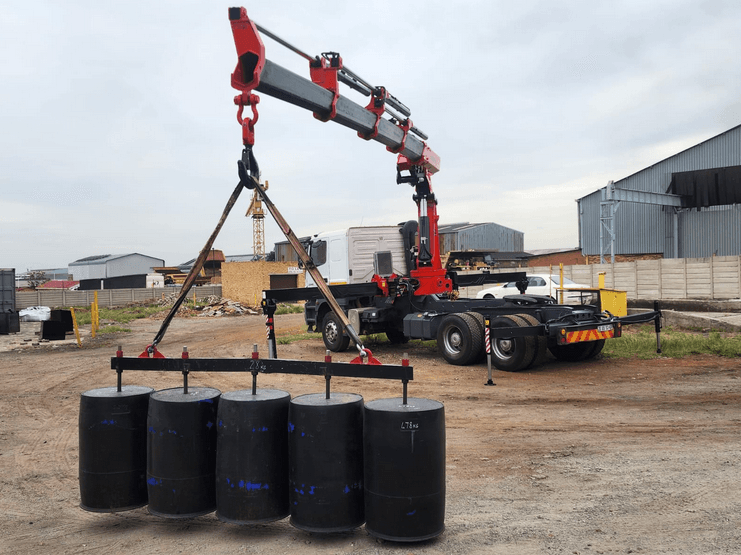
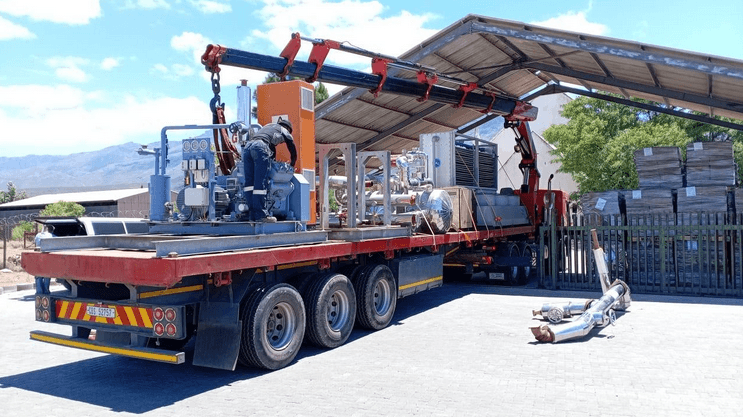
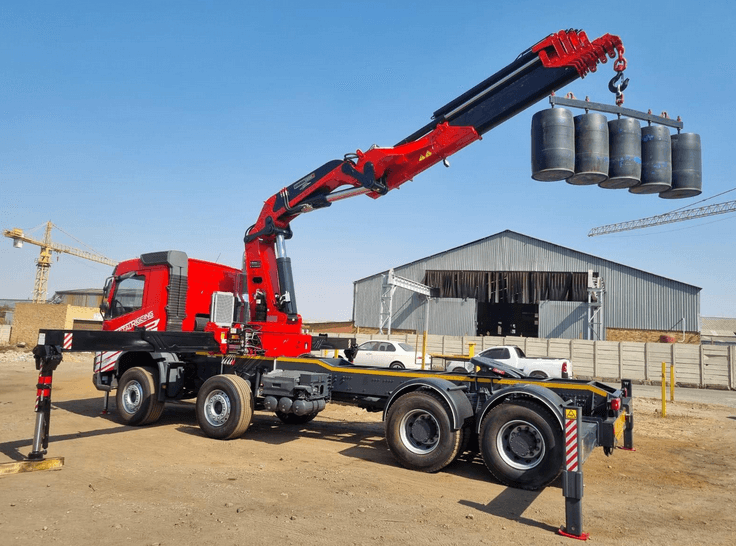
Truck-mounted cranes are exactly what their name suggests: cranes that are mounted onto trucks. These cranes are equipped with hydraulic systems that allow them to lift and move heavy loads. The crane itself is typically located on the truck bed, making the crane easily transportable. This design allows operators to move the crane from one location to another without the need for additional vehicles, making it a highly efficient solution for projects that require mobility.

Truck-mounted cranes are equipped with stabilisers that can be deployed to keep the truck level and steady during operation, ensuring safety and precision while lifting. They come in various sizes and lifting capacities, making them suitable for a range of tasks—from lifting heavy materials on construction sites to loading and unloading shipments in logistics operations.

Versatility: The Key to Truck-Mounted Cranes’ Success

One of the main reasons truck-mounted cranes are so popular is their versatility. They can be used across a wide range of industries and applications. Whether it’s lifting construction materials, moving machinery, or unloading cargo, these cranes are designed to handle a variety of lifting tasks with ease.

Truck-mounted cranes can be used for:

  • Construction projects: Moving building materials, lifting steel beams, or transporting equipment.
  • Logistics and shipping: Loading and unloading shipments efficiently at delivery sites.
  • Industrial operations: Moving heavy machinery or lifting components in manufacturing plants.
  • Utilities and infrastructure: Transporting and setting large components like generators or utility poles.

Their ability to handle multiple tasks makes them an invaluable asset for any business that deals with heavy lifting and material handling.

Benefits of Truck-Mounted Cranes

1. Enhanced Mobility

Truck-mounted cranes are a highly mobile solution for heavy lifting. Unlike traditional cranes that require transport vehicles and significant setup time, a truck-mounted crane can drive directly to the job site, set up, and start working right away. This mobility is ideal for businesses that need to work in various locations, such as construction contractors or logistics companies with multiple delivery points.

2. Cost-Effective Solution

Since truck-mounted cranes are designed for mobility, there’s no need for separate vehicles or additional setup, saving both time and money. The combination of crane and truck in one unit eliminates the need to hire separate transport vehicles for moving the crane to different sites. This streamlined approach reduces operational costs, making truck-mounted cranes a cost-effective option for businesses of all sizes.

3. Quick Setup and Operation

Unlike other cranes that may require complex setup processes, truck-mounted cranes are designed for quick deployment. Operators can easily position the crane, deploy the stabilisers, and begin lifting without long preparation times. This quick setup ensures that projects stay on schedule and helps reduce downtime during operations.

4. Safety and Stability

Truck-mounted cranes are designed with stability in mind. Most units feature stabilizers that can be extended to keep the truck level during operations, reducing the risk of tipping. Additionally, many models are equipped with advanced safety systems to prevent overloading and ensure safe operation under varying conditions. These safety features make truck-mounted cranes an excellent choice for lifting heavy loads in a variety of environments.

5. Compact Design

Due to their compact design, truck-mounted cranes are perfect for working in tight spaces where larger, stationary cranes might not fit. This makes them ideal for urban construction sites or areas with limited space for maneuvering equipment. Their small footprint and flexible operation make them an indispensable tool for projects that require both precision and power.

Ideal Applications for Truck-Mounted Cranes

Truck-mounted cranes shine in a variety of applications, making them a must-have for several industries:

  • Construction and Infrastructure Projects: Lifting and positioning heavy materials such as steel beams, concrete, or pre-fabricated components.
  • Telecommunications: Installing and maintaining cell towers or antennas in various locations.
  • Utilities: Setting utility poles, transformers, and other large equipment.
  • Oil and Gas: Handling heavy pipes, tanks, and equipment on-site.
  • Logistics and Distribution: Efficiently unloading and loading shipments at delivery locations.

No matter the industry, Bowman Cranes understands that truck-mounted cranes offer a reliable and efficient solution for lifting heavy loads, boosting productivity, and simplifying tasks. If you’re looking for a dependable lifting solution, a truck-mounted crane could be just what you need. With Bowman Cranes, you can count on the right equipment for the job.
Bonfiglioli Scrap Recycling Machines: Built for Efficiency

Bonfiglioli Scrap Recycling Machines

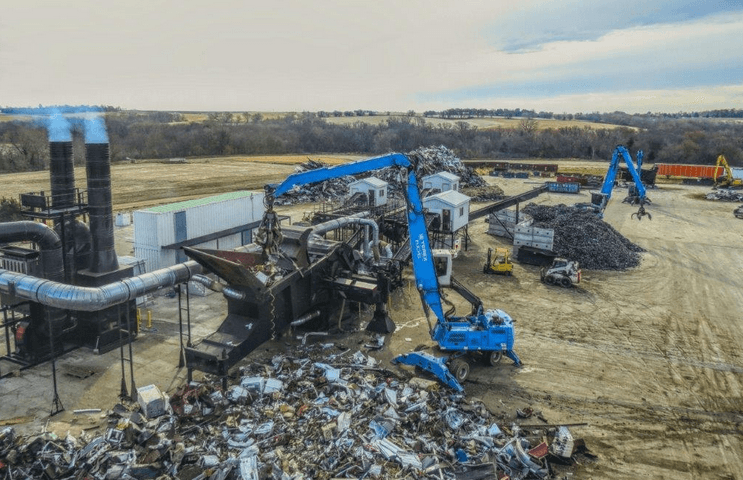
When it comes to the scrap recycling industry, efficiency is key. The goal is to streamline operations, increase throughput, and reduce waste—ultimately maximising profits. Bonfiglioli, a trusted name in the world of industrial machinery, offers advanced scrap recycling machines designed to do just that. These machines are engineered with performance and durability in mind, helping businesses in the recycling and waste management sectors to enhance their operations.

In this article, we’ll explore the benefits of Bonfiglioli’s recycling equipment and how these innovations can transform your waste management processes.

Efficient Balers: Compacting Scrap with Precision

One of the standout features of Bonfiglioli’s scrap recycling machines is their balers. Balers are critical in the recycling process, as they compact materials—such as metals, plastics, and paper—into manageable, dense bundles. This compaction not only optimises storage space but also makes transportation more cost-effective.

Bonfiglioli balers are known for their robust construction and ability to handle a variety of materials, making them ideal for facilities with mixed scrap. Their efficiency in processing scrap means fewer manual interventions, allowing operators to focus on other tasks while the machine does the heavy lifting. Additionally, their high-performance compression systems ensure that every bale is tightly compacted, reducing the volume of waste that needs to be handled and transported.

Integrated Cranes for Easy Loading and Unloading

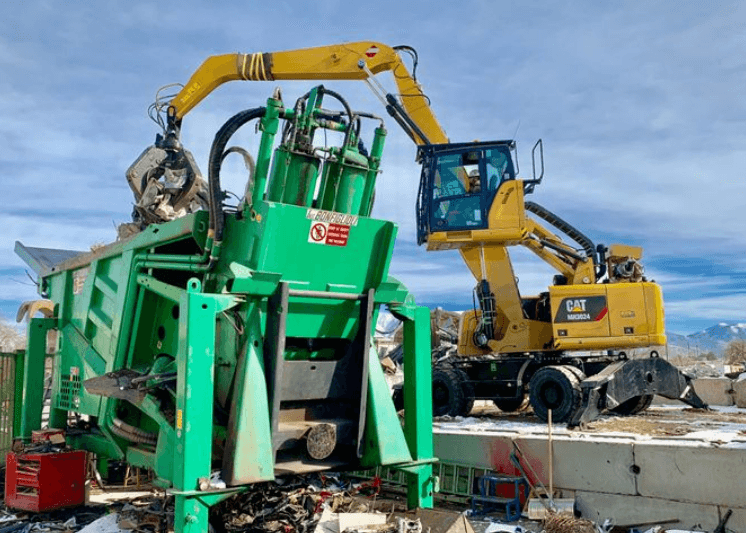
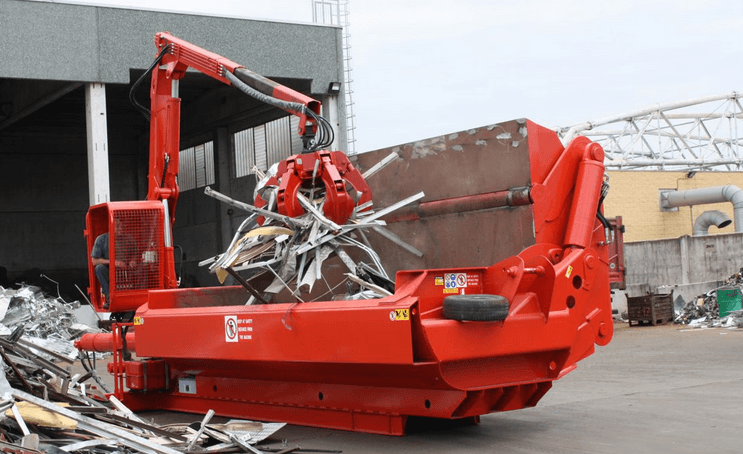
Loading and unloading scrap materials can often be a time-consuming and physically demanding task. Bonfiglioli addresses this challenge with their integrated cranes, which are built directly into their recycling machines for easy material handling. These cranes streamline operations by reducing the need for separate machinery or manual labor to move scrap around the facility.

The integration of the crane within the baler or other recycling equipment improves overall workflow, ensuring that scrap materials are loaded and unloaded efficiently. This setup eliminates the hassle of additional equipment, reduces the chances of injury, and speeds up the entire recycling process. By having cranes built into the machines, Bonfiglioli also ensures that operators can maintain full control over their processes, enhancing safety and operational speed.

Maximising Waste Management Efficiency

One of the key advantages of using Bonfiglioli scrap recycling machines is the significant boost in waste management efficiency. These machines are designed not just for their functionality but also to be easy to operate. Their intuitive controls allow operators to quickly learn how to use them effectively, which reduces training times and minimises mistakes during operation.

Moreover, the machines are built to last, with durable parts and heavy-duty components that are resistant to wear and tear. This long-lasting durability translates into reduced maintenance costs and downtime, allowing recycling 

Benefits of Bonfiglioli Scrap Recycling Machines

  1. Increased Efficiency: Bonfiglioli’s machines reduce the time and labor needed to process scrap, ensuring higher throughput and less downtime.
  2. Integrated Cranes: The built-in cranes allow for easy loading and unloading of materials, streamlining workflow and reducing the need for additional equipment.
  3. Durability and Reliability: With high-quality construction, Bonfiglioli machines are built to withstand the rigors of scrap recycling, reducing the need for frequent repairs and maintenance.
  4. Space Optimisation: The compacting feature of the balers means that scrap materials take up less space, improving storage efficiency and lowering transportation costs.
  5. Sustainability: The efficiency of these machines contributes to a greener process by minimising the amount of scrap that ends up in landfills and reducing the environmental footprint of waste management operations.

At Bowman Cranes, we understand the importance of efficient waste management and recycling operations. That’s why we offer Bonfiglioli scrap recycling machines—an intelligent investment for businesses aiming to improve productivity and reduce operational costs. Whether you’re working with metals, plastics, or other materials, Bonfiglioli’s machines are engineered for precision, durability, and efficiency, ensuring your recycling operations run smoothly. Trust Bowman Cranes to provide you with the equipment that meets the demands of modern waste management, helping you stay ahead of the curve.

Bowman Cranes: Lifting Solutions That Work for You

Lifting Solutions

At Bowman Africa Equipment Suppliers, we’ve spent over 50 years doing more than just providing material handling equipment. We believe in building partnerships with our customers, understanding your needs, and delivering solutions that boost efficiency, productivity, and value. Our lineup of truck-mounted cranes and scrap processing machines is designed to meet every lifting challenge, no matter the size or complexity. 

In this article, we will take a closer look at the cranes that we supply as well as what makes them exceptional and how they can support your material handling needs.

Bonfiglioli Truck Cranes

Experience, precision, and reliability—Bonfiglioli truck cranes bring it all to the table. As one of Italy’s oldest truck crane manufacturers, Bonfiglioli has spent more than half a century perfecting the art of truck-mounted cranes. Their commitment to innovation ensures that you’re getting equipment that’s built to last, and designed to handle tough jobs with ease.

Whether you’re moving heavy loads or tackling specialized tasks, these cranes offer the strength and flexibility you need to get the job done right.

Hidrokon Knuckle Boom Cranes

Need a crane that can handle big jobs in tight spaces? Look no further than Hidrokon knuckle boom cranes. Manufactured in Turkey, Hidrokon specializes in extra-large cranes that thrive in areas with restricted overhead heights.

These cranes are perfect for situations where conventional lifting equipment just can’t fit. Whether it’s indoor work or navigating compact urban environments, Hidrokon’s engineering delivers unmatched versatility.

Atlas Cranes

For precision lifting in the brick and block industry, Atlas cranes stand out as a game-changer. Engineered and manufactured in Germany, these cranes epitomize German quality and attention to detail.

Atlas cranes are purpose-built to handle the specific challenges of brick and block applications, ensuring smooth, efficient, and safe operations every time.

Bowman Cranes

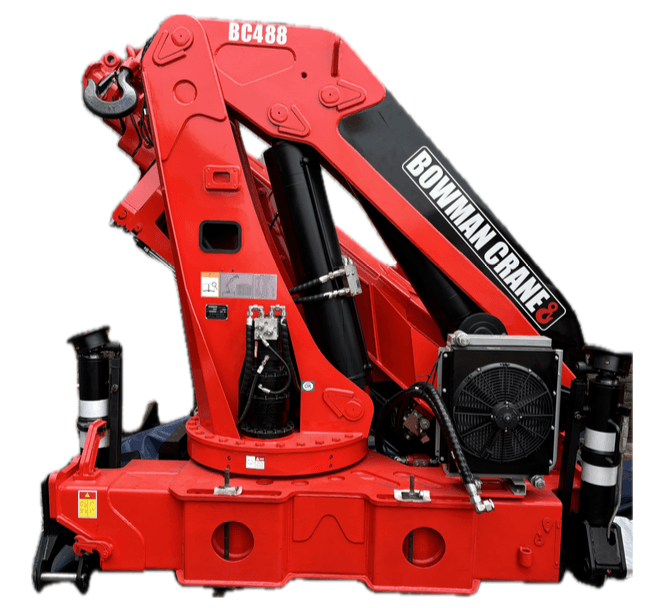
Introducing Bowman Cranes, our very own truck-mounted crane range. Manufactured under license by XCMG, China’s leading construction machinery supplier, Bowman Cranes offers a diverse selection to suit any lifting need.

From compact, versatile models perfect for light-duty tasks to heavy-duty rigging giants that tackle massive loads, Bowman Cranes deliver power, precision, and reliability. Whatever your project demands, Bowman Cranes are built to exceed expectations.

ANT Mini Cranes

Big things come in small packages with ANT mini-cranes. Designed for professionals, craftsmen, and artisans, these compact yet powerful cranes make loading and unloading a breeze.

If you’re working in tight spaces or need portable lifting power, ANT mini-cranes are the perfect solution. They’re easy to use, highly efficient, and ready to tackle your toughest small-scale lifting challenges.

Bonfiglioli Scrap Recycling Machines

Lifting isn’t just about moving loads—it’s about efficiency and sustainability. Bonfiglioli scrap processing machines combine the power of integrated cranes with compacting chambers to streamline your recycling operations.

From loading scrap materials to processing them into manageable units, these machines make recycling easier, faster, and more effective.

Why Choose Bowman Africa Equipment Suppliers?

At Bowman Africa, we’re more than just a supplier—we’re your partner in material handling. Our customer-centric approach ensures that every crane, every machine, and every service we provide is designed to meet your unique needs. Let us show you the Bowman difference. Explore our range of cranes and equipment today and find out how Bowman Africa Equipment Suppliers can lift your business to new heights!

Enhancing Recycling Operations with Scrap Balers and Shears

Enhancing Recycling Operations

Recycling is essential for sustainability and making sure your recycling operations run smoothly and efficiently is key to getting the most out of your materials. Whether you’re in the scrap metal industry, working with cardboard, plastics, or other recyclables, having the right equipment can make all the difference. Scrap balers and scrap shears are two powerful tools that can significantly improve the efficiency of your recycling processes. And the best part? With the right equipment, you’ll see more consistent results and a cleaner, more organised operation.

Here’s how investing in these tools can benefit your business and help you get the most out of your materials.

What Are Scrap Balers and Shears?

Before we dive into their benefits, let’s quickly go over what scrap balers and scrap shears do.

  • Scrap Balers: These machines are designed to compress scrap materials into compact bales. By consolidating materials like metal, cardboard, and plastics into neat, manageable bundles, scrap balers make transportation and storage much easier. They help reduce the space required for storing recyclable materials, which can increase efficiency and reduce overhead costs.
  • Scrap Shears: Scrap shears are hydraulic machines that cut through metal and other tough materials. They’re built for heavy-duty work and can cut through scrap metal, including large industrial pipes, steel beams, and rebar. These shears are powerful, precise, and efficient, allowing for faster processing of recyclable materials.

Why Scrap Balers and Shears Are Essential for Recycling Operations

Here’s why you should consider investing in scrap balers and scrap shears to boost your recycling operations:

1. Increased Efficiency

When you use the right equipment, tasks that once took hours can be completed in minutes. Scrap balers help reduce the amount of space your recyclable materials take up, making it easier to store and transport them. Meanwhile, scrap shears make quick work of cutting through large or tough materials like metal, speeding up the processing time. The result? You’re able to process more materials, faster.

2. Better Organisational Flow

A clean, organised operation is a productive operation. With scrap balers, materials are compacted into neat, uniform bales, making them easier to store and handle. This not only maximises your space but also streamlines your workflow, so you can focus on what matters most: processing and recycling materials.

3. Reduced Transportation Costs

When scrap materials are left in their bulky, uncompressed form, transportation costs can quickly add up. By using a scrap baler, you can compress large amounts of materials into smaller, more compact bundles. This means fewer trips are needed to transport the same amount of material, lowering your overall transportation costs and making your operation more cost-effective.

4. Improved Safety

Working with scrap materials can be dangerous, especially when handling large or heavy pieces of metal or cardboard. By using scrap shears, you can easily cut down these materials into smaller, more manageable pieces, reducing the risk of injury to your workers. 

Why Choose Bowman Africa for Your Scrap Balers and Shears?At Bowman Africa, we understand that the right equipment can make all the difference when it comes to improving your recycling operations. That’s why we provide high-quality scrap balers and scrap shears that are built to handle the toughest jobs with ease. Our team is committed to supplying hydraulic equipment that’s durable, reliable, and designed to last. We don’t just sell equipment—we offer solutions!

The Value of Investing in New Cranes from Bowman Cranes

Investing in New Cranes from Bowman Cranes

In the world of heavy lifting, having reliable, up-to-date equipment is essential. As industries grow and demands increase, investing in new cranes has become more than just an option—it’s a smart move for any business focused on safety, efficiency, and long-term gains. 

In this article, we will discuss why upgrading to new cranes, especially ones with the latest hydraulic lifting technology, is a worthwhile investment.

  • Improved Safety and Reliability

When lifting heavy loads, safety is always the priority. New cranes come equipped with advanced safety features, making it easier for operators to handle challenging jobs without risking stability or load control. With the latest crane technology, such as load sensors, anti-sway systems, and smoother controls, your team can lift with confidence, reducing the risk of accidents and minimising downtime. By investing in new cranes, you’re not only looking out for your team but also ensuring your equipment is ready for the toughest tasks.

  •  Enhanced Efficiency

Older cranes, while still useful, often lack the speed and efficiency of new models. New cranes are designed to work faster, lift heavier, and operate with more precision. With hydraulic lifting technology, they’re even more capable of handling substantial weights smoothly and effortlessly. This means your team can complete tasks in less time, ultimately reducing labor hours and boosting productivity. With quicker lifts and easier load positioning, new cranes ensure you’re operating at peak performance.

  • Better Cost Management in the Long Run

Investing in a new crane might seem like a big expense upfront, but it pays off in the long run. Older cranes tend to have higher maintenance costs as parts wear out, and they require more frequent repairs, leading to unplanned downtime. New cranes, on the other hand, come with better warranties, parts availability, and generally lower maintenance requirements. With Bowman Africa’s latest models, you’re looking at a long-lasting, durable asset that won’t drain your budget on repairs.

  • Access to Cutting-Edge Crane Technology

New cranes come equipped with the latest crane technology, which gives you a competitive edge. Features like remote controls, computerised load monitoring, and hydraulic lifting advancements offer a more user-friendly experience while enhancing the machine’s functionality. For instance, with remote operation, operators can work from a safe distance, providing flexibility and improved visibility. Such technology also ensures smoother operation, more precise control, and lower operational stress on the equipment. It’s not just about lifting—it’s about lifting smarter.

  •  Boosting Your Company’s Image

Investing in new cranes reflects positively on your company. When clients see that you’re using state-of-the-art equipment, it shows you’re committed to quality, safety, and staying current with industry standards. This trustworthiness can attract more business, as clients prefer companies that prioritize efficiency and professionalism. A reliable crane fleet, especially one that includes the latest models, helps you stand out as a dependable partner in heavy lifting.

  • Environmental and Compliance Benefits

New cranes are built with the latest environmental standards in mind. They often consume less fuel and emit fewer pollutants, aligning with eco-friendly practices. Additionally, these cranes are designed to meet current safety and operational compliance standards, saving you from regulatory headaches and potential fines. With a new, efficient crane, you’re operating not only legally but responsibly.

Investing in new cranes from Bowman Africa is more than just an upgrade; it’s a commitment to safety, productivity, and long-term savings. From hydraulic lifting power to advanced technology, these cranes bring value to every project. So, if you’re considering a crane investment, now is the perfect time to level up!

How to Choose the Right Crane for Your Specific Needs

Right Crane for Your Specific Needs

Selecting the right crane for your business can feel challenging, especially with the wide range of options and specifications to consider. However, making a careful choice can greatly enhance your operations, leading to improved efficiency, heightened safety, and significant cost savings. By understanding your specific needs and evaluating factors like load capacity, lift height, and maneuverability, you’ll be better equipped to choose a crane that aligns with both your immediate and long-term business goals.

In this article, we will delve into the essential factors that contribute to making the best crane selection tailored to your specific needs. 

1. Assess Your Lifting Needs

The first question to ask is: What kind of loads do you need to lift? The lifting capacity of a crane is one of its most crucial specs. Cranes come with a range of lifting abilities, so it’s essential to pick one that can handle your heaviest loads without pushing it to the limit. Overloading a crane can lead to safety risks and early wear on the equipment, so look for a crane that can lift comfortably above your maximum load requirements.

2. Consider the Type of Hydraulic Equipment

Hydraulic technology powers many of today’s cranes, giving them the strength and precision needed for tough jobs. But not all hydraulic equipment is the same. Depending on your tasks, you might need specific hydraulic features, like precision controls for delicate materials or high-pressure systems for extra-heavy lifting. 

Some cranes, for instance, are designed to work faster and provide greater control, making them ideal for precise material handling. If you’re working with heavy, bulky materials, look for a crane with a strong hydraulic system that’s built to last under strain.

3. Choose the Right Crane Type

There’s a variety of crane types, each suited for specific jobs and environments. Here’s a quick overview to help narrow down your options:

  • Truck-Mounted Cranes: Ideal for businesses that require mobility, truck-mounted cranes combine transportation and lifting power. These cranes are perfect for quick setup on multiple job sites and provide flexibility for tasks that require movement between locations.
  • Rough Terrain Cranes: Built to work on uneven or difficult surfaces, rough terrain cranes are ideal for construction sites or other rugged environments. They’re powerful, stable, and can handle challenging conditions that standard cranes might struggle with.
  • Overhead Cranes: If you’re in manufacturing or warehousing, overhead cranes are great for indoor, repetitive tasks. They’re perfect for moving materials across set paths and can handle heavy lifting within a confined space.
  • Crawler Cranes: Known for their stability and ability to move heavy loads, crawler cranes are excellent for long-term projects where heavy lifting on a stable base is a priority.

4. Think About Mobility

Consider where you’ll be using the crane. For projects that require frequent movement, a truck-mounted crane offers easy mobility and flexibility, allowing you to transport materials across job sites efficiently. If the crane will stay put, you may want a more permanent fixture like an overhead or gantry crane. Always think about whether your work demands on-site mobility or can be confined to a single location.

5. Factor in Budget and Maintenance

Investing in the right crane involves more than just the upfront cost. Look into the maintenance needs and durability of each crane type. A slightly higher investment in a reliable, low-maintenance crane can save you money in the long run. Also, consider fuel efficiency for mobile cranes, as this can reduce operational costs over time.

Choosing the right crane doesn’t have to be complicated. By assessing your lifting capacity needs, understanding the types of hydraulic equipment available, and thinking about where and how the crane will be used, you’ll find the perfect match for your business.

The Lifespan of Truck-Mounted Cranes: Maintenance Tips

Lifespan of Truck-Mounted Cranes

Truck-mounted cranes are vital assets in industries that require heavy lifting and material handling. From construction to utilities, these powerful machines save time and increase efficiency on job sites. However, like any piece of hydraulic equipment, the longevity of truck-mounted cranes depends heavily on proper maintenance. 

In this article, we’ll cover essential maintenance tips to help you keep your truck-mounted cranes in optimal working condition.

1. Routine Inspections: The First Line of Defense

Routine inspections are critical for ensuring the longevity of your truck-mounted crane. Inspections help you catch small issues before they turn into major problems, which can lead to costly repairs or equipment failure.

Start by establishing a regular inspection schedule. Daily checks should include inspecting cables, hooks, and hydraulic systems for signs of wear and tear. Look for oil leaks around the hydraulic cylinders, as leaks can lead to reduced pressure and efficiency. Also, ensure that bolts and fasteners are secure, as loose parts can cause mechanical failure.

It’s also crucial to perform more detailed inspections monthly or after heavy use. These inspections should involve checking the boom for cracks, assessing the crane’s load-bearing parts, and reviewing electrical systems. Regular inspections are your first line of defense against premature wear and malfunction.

2. Lubrication: Keeping Things Running Smoothly

Lubrication is essential to prevent friction and overheating in truck-mounted cranes. The moving parts of the crane, such as the boom joints, swivel joints, and hydraulic components, must be properly lubricated to reduce wear.

Use high-quality lubricants designed for heavy machinery to ensure smooth operation. Follow the manufacturer’s recommendations for lubrication intervals, but keep in mind that harsher working conditions (e.g., dusty or wet environments) may require more frequent lubrication. Neglecting lubrication can lead to rust, corrosion, and damage to critical parts, all of which can shorten the crane’s lifespan.

3. Hydraulic System Maintenance

Hydraulic systems are the lifeblood of truck-mounted cranes. Regularly maintaining your crane’s hydraulic system is essential for keeping it in top working order.

First, monitor the hydraulic fluid levels closely. Low fluid levels can cause the system to run inefficiently, leading to overheating or even total hydraulic failure. Be sure to change the hydraulic fluid as recommended by the manufacturer. Over time, fluid can become contaminated with dirt and debris, affecting the performance of the system.

Inspect the hydraulic hoses and seals for cracks or leaks. Damaged hoses or seals can lead to loss of pressure and, ultimately, equipment failure. Always replace worn or damaged components promptly.

4. Proper Storage and Cleanliness

Proper storage is often overlooked, but it plays a significant role in extending the life of your truck-mounted crane. When not in use, make sure the crane is stored in a dry, sheltered area away from extreme temperatures and weather conditions.

Dirt, debris, and moisture can accumulate on the crane, especially if it’s used in harsh environments. Cleaning the crane after each use helps prevent corrosion, especially on metal parts and joints. Pay special attention to the hydraulic components and electrical systems, as exposure to moisture can cause significant damage.

5. Training and Operator Awareness

Even the best-maintained equipment can fail prematurely if it’s not operated correctly. Proper operator training is essential for extending the lifespan of truck-mounted cranes.

Ensure that all crane operators are fully trained and knowledgeable about the specific model they are using. Operators should know how to lift loads within the crane’s capacity, avoid sudden movements, and identify signs of potential mechanical issues during use. Proper handling and load management will reduce wear and tear on the crane and its hydraulic systems.

6. Follow the Manufacturer’s Maintenance Schedule

Every truck-mounted crane comes with a recommended maintenance schedule from the manufacturer. Following this schedule is key to maximising the equipment’s lifespan. The schedule typically outlines when to change fluids, lubricate parts, and replace critical components. Skipping or delaying maintenance can lead to unnecessary stress on the crane’s systems, leading to costly breakdowns and repairs. 

At Bowman Cranes, we specialise in keeping your truck-mounted cranes in top condition. Our expert team provides comprehensive maintenance services, from detailed inspections and hydraulic system care to professional operator training. Let us help you protect your investment and extend the lifespan of your equipment with our tailored maintenance solutions. For expert maintenance services and high-quality crane equipment, trust Bowman Africa to help keep your truck-mounted cranes in top condition! We’re here to support your equipment’s long-term performance and efficiency.

The Benefits of Metal Recycling Shredders in Industrial Applications

Benefits of Metal Recycling Shredders

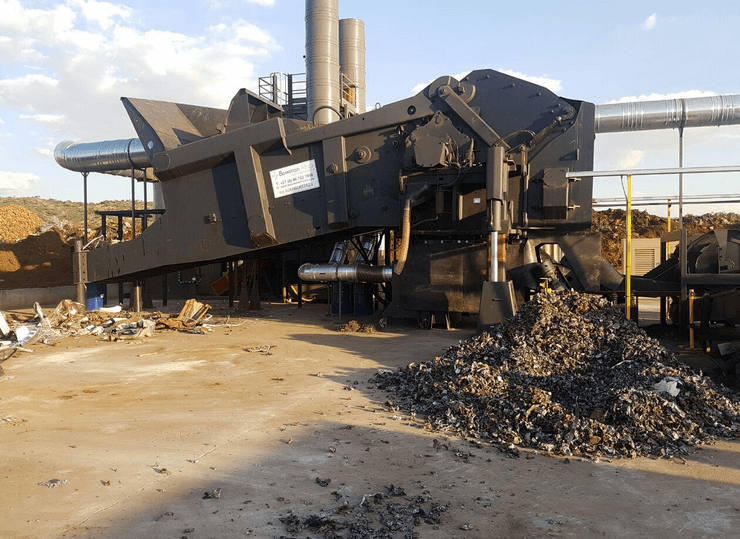
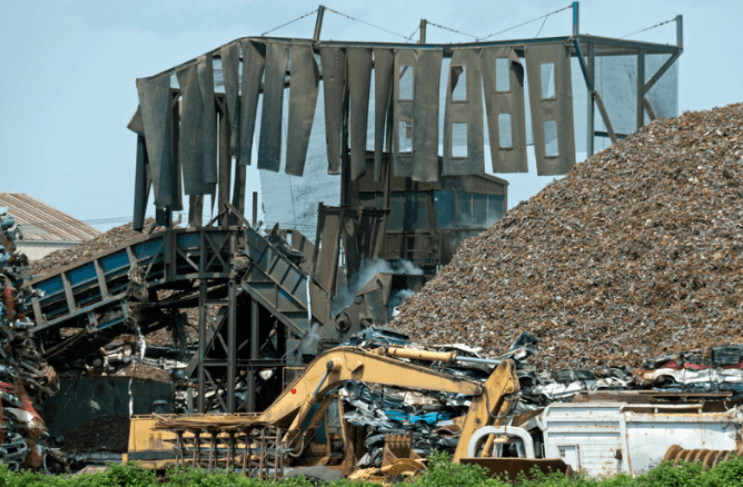
In today’s world, metal recycling plays a vital role in reducing environmental impact, conserving resources, and supporting sustainable industrial practices. One of the key components in the metal recycling process is the metal recycling shredder. These powerful machines, often equipped with hydraulic equipment, are designed to break down large volumes of scrap metal, making recycling more efficient and effective.

In this article, we will explore the numerous benefits of metal recycling shredders in industrial applications.

1. Increased Efficiency in Scrap Processing

One of the main benefits of using metal recycling shredders in industrial applications is the significant boost in processing efficiency. These shredders are engineered to handle a wide range of scrap materials, from old cars and appliances to industrial-grade metals like steel, aluminium, and copper.

By breaking down bulky items into smaller, manageable pieces, industrial shredders make the recycling process faster and more efficient. This not only reduces the amount of manual labor required but also speeds up the sorting, cleaning, and melting stages of recycling. Shredded metal takes up less space and can be more easily transported and processed, increasing overall productivity in recycling facilities.

2. Reduced Environmental Impact

Metal recycling is essential for reducing the need for raw material extraction, which is often harmful to the environment. However, processing large amounts of scrap metal without shredding can be time-consuming and energy-intensive. Metal recycling shredders minimize these inefficiencies, leading to more sustainable operations. Shredding metal enables better separation of ferrous and non-ferrous metals, allowing for more precise recycling processes. By processing scrap efficiently, these machines reduce the carbon footprint of the recycling process, cutting down on emissions and energy consumption.

3. Cost Savings for Industrial Operations

For businesses involved in scrap processing and metal recycling, investing in metal recycling shredders can result in significant cost savings. Shredded metal is more valuable in the recycling market because it is easier to melt down and reuse in manufacturing. This means recyclers can often command a higher price for their processed scrap metal.

Shredding scrap metal also reduces transportation costs, as compact, shredded metal takes up less space in trucks or containers. This means fewer trips are needed to transport the same volume of metal, which translates to lower fuel costs and reduced wear and tear on vehicles.

4. Enhanced Safety in Recycling Operations

Handling large pieces of scrap metal poses various safety risks in industrial environments. Workers may be exposed to sharp edges, heavy items, or hazardous materials. Industrial shredders mitigate these risks by automating the process of breaking down metal into smaller pieces, minimising the need for manual intervention. In addition, shredders with hydraulic equipment ensure smoother operation, applying consistent pressure to crush and shred materials without causing sudden jolts or jams that could be dangerous to workers.

5. Hydraulic Equipment for Precision and Power

Modern metal recycling shredders often incorporate hydraulic equipment for added precision and control. Hydraulic systems offer superior power compared to traditional mechanical drives, allowing shredders to process even the toughest scrap materials with ease. Hydraulic shredders also provide smoother operations, reducing downtime due to equipment jams or breakdowns. This increases overall productivity and ensures that scrap processing operations run smoothly and efficiently.

6. Versatile Recycling Solutions for Industrial Needs

Metal recycling shredders are versatile machines that can be customised to meet the specific needs of different industries. Whether you’re working with heavy industrial scrap, light metals, or e-waste, there are shredders available that can be tailored to the exact specifications of your operation.By choosing the right shredder, industries can maximise the efficiency of their recycling processes and ensure that every scrap of metal is processed as effectively as possible.

Investing in the right metal recycling shredder is key to optimising your recycling operations and achieving both environmental and economic benefits in the long term. Bowman Africa specialises in providing high-performance shredders with hydraulic equipment, designed to handle the toughest recycling tasks with precision and power.

The Versatility of Scrap Shears in Metal Processing

Versatility of Scrap Shears

When it comes to metal processing, efficiency is the name of the game, and having the right tools can make all the difference. One such essential tool is the scrap shear—a powerful piece of equipment that’s as versatile as it is effective. 

In this article, we will dive into what makes scrap shears such a valuable asset in the world of metal processing and why they’re a must-have for any serious operation.

What Are Scrap Shears?

Scrap shears are specialised cutting tools designed to handle tough metal materials. They use immense force to slice through metal, making them perfect for processing a variety of scrap materials, from steel beams to aluminum sheets. These machines are typically hydraulic-powered, which gives them the strength and precision needed to handle even the thickest and hardest metals.

But don’t let their power fool you—scrap shears are incredibly versatile. They come in a range of sizes and configurations, meaning there’s a model out there to suit any operation, whether you’re cutting down metal for recycling, preparing materials for resale, or simply trying to manage waste more efficiently.

Why Scrap Shears Are Essential for Metal Processing

  • Efficient Cutting: Scrap shears are designed for heavy-duty cutting, capable of slicing through thick metals with ease. This makes them ideal for breaking down large metal items into more manageable pieces. Whether you’re dealing with old machinery, structural steel, or metal offcuts, scrap shears get the job done quickly and efficiently.
  • Versatility in Material Handling: One of the standout features of scrap shears is their ability to handle a wide range of materials. From ferrous metals like steel and iron to non-ferrous metals like copper and aluminum, these machines can process it all. This versatility makes them invaluable in recycling operations where different types of metals need to be processed.
  • Precision and Control: Modern scrap shears offer exceptional precision, allowing operators to make clean, accurate cuts. This is crucial when you’re preparing metals for resale or further processing. The ability to control the shear’s cutting force and angle means you can tailor the machine’s performance to the specific demands of your task.
  • Cost-Effective Processing: By efficiently cutting and reducing the size of metal scrap, scrap shears can help businesses save money on transportation and storage. Smaller, more compact scrap is easier to transport and takes up less space, which can translate to lower operational costs.
  • Improved Safety: Safety is always a priority in any industrial setting, and scrap shears are designed with this in mind. Their ability to quickly and safely cut through metal reduces the need for manual cutting methods, which can be dangerous and time-consuming. Many modern scrap shears also come with built-in safety features like guards and emergency stop buttons to protect operators.

Types of Scrap Shears

Scrap shears come in various types, each designed for specific applications:

  1. Mobile Shears

These are often mounted on excavators or other heavy machinery, making them ideal for on-site metal processing. Mobile shears are perfect for demolition sites or any situation where you need to cut metal scrap on the go.

  1. Stationary Shears

As the name suggests, these are fixed in place and are typically used in recycling plants or scrap yards. Stationary shears are powerful and can handle large volumes of scrap metal, making them a great choice for high-capacity operations.

  1. Alligator Shears

These are smaller, more compact shears that resemble the jaws of an alligator. They’re perfect for cutting smaller pieces of metal, such as bars, rods, and cables. Alligator shears are often used in smaller workshops or for more precise cutting tasks.

  1. Rotary Shears

Designed for continuous cutting, rotary shears are often used in large-scale metal processing operations. They can handle long lengths of metal, making them ideal for cutting sheet metal, strips, and other long materials.

Why Bowman Africa?

At Bowman Africa, we understand the importance of having reliable, efficient tools for metal processing. That’s why we offer a range of top-quality scrap shears designed to meet the needs of any operation. Whether you’re looking for a mobile shear for on-site processing or a heavy-duty stationary model for your recycling plant, we’ve got you covered.

Our scrap shears are built to last, offering unmatched performance and durability. Plus, with our commitment to customer service, you can trust that we’ll be there to support you every step of the way—from selecting the right shear to providing maintenance and support.

The Essential Guide to Scrap Balers for Your Business

Guide to Scrap Balers

When it comes to running an efficient recycling operation, having the right equipment is very important—and scrap balers are an absolute game-changer. Whether you’re processing metals, plastics, or other recyclable materials, these powerful machines can streamline your operations, improve productivity, and boost your bottom line. 

But with so many options out there, how do you know which scrap baler is right for your business? In this article, we will talk about the various types of scrap balers, and which one would best suit your needs.

What Are Scrap Balers?

In simple terms, a scrap baler is a machine designed to compress recyclable materials into compact, manageable bales. These bales are easier to transport, store, and sell, making the entire recycling process more efficient. From metal scraps to cardboard, these machines can handle a variety of materials, making them a versatile addition to any recycling or waste management operation.

Why Invest in a Scrap Baler?

Investing in a scrap baler can bring a host of benefits to your business. Here are just a few reasons why adding one to your operation is a smart move:

  • Increased Efficiency: A scrap baler can dramatically speed up the recycling process by quickly compressing materials into bales, reducing the time and labor required for handling loose scrap.
  • Space Savings: Baled materials take up significantly less space than loose scrap, allowing you to store more materials without the need for additional storage facilities.
  • Improved Safety: Managing loose scrap can be hazardous, with sharp edges and heavy pieces posing risks to your team. A baler helps contain and organise these materials, reducing the risk of accidents.
  • Enhanced Profitability: Compact bales are easier to transport and can fetch a higher price at recycling centers, helping you maximise the value of your scrap materials.
  • Environmental Impact: By efficiently managing waste and recyclable materials, your business can contribute to environmental sustainability, reducing your overall carbon footprint.

Types of Scrap Balers

There are several types of scrap balers available, each suited to different materials and business needs. Here’s a quick overview of the most common types:

  1. Vertical Balers

These are ideal for businesses with limited space. They’re compact and suitable for baling materials like cardboard, paper, and plastics. Vertical balers are easy to operate and maintain, making them a popular choice for small to medium-sized operations.

  1. Horizontal Balers

If you’re dealing with larger volumes of scrap, horizontal balers might be the way to go. These machines can process a higher volume of materials and are often equipped with automatic feeding systems, reducing the need for manual labor.

  1. Hydraulic Balers

Known for their power and efficiency, hydraulic balers are perfect for processing dense materials like metals. They use hydraulic pressure to compress materials into tight, uniform bales, making them ideal for heavy-duty recycling operations.

  1. Two-Ram Balers

These are versatile machines that can handle a wide range of materials, from metals to plastics to textiles. Two-ram balers use two cylinders to compress and eject bales, offering greater flexibility and efficiency for businesses that process diverse materials.

  1. Auto-Tie Balers

For businesses looking to fully automate their recycling operations, auto-tie balers are a great option. These machines automatically tie off bales once they’re compressed, allowing for continuous operation without the need for manual intervention.

Investing in a scrap baler is a smart move for any business involved in recycling or waste management. By choosing the right machine for your needs, you can streamline your operations, improve safety, and boost your profitability. At Bowman Africa, we offer a wide range of top-tier scrap balers designed to meet the demands of modern businesses. Ready to take your recycling operation to the next level? Contact us today, and let’s find the perfect scrap baler for your business!